Triple Vessel Disease
Triple vessel disease means all three major coronary arteries are significantly narrowed or blocked. It is most often treated with coronary artery bypass grafti
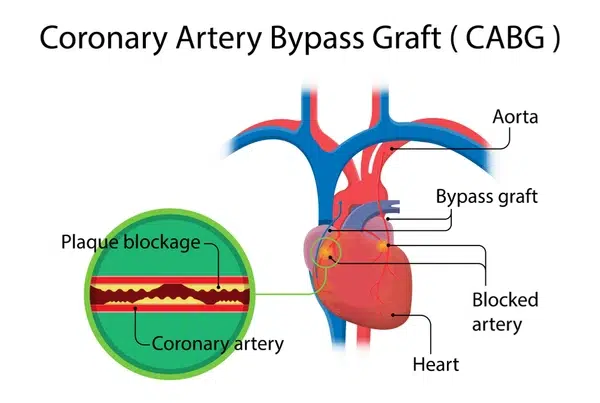
Triple vessel disease means all three major coronary arteries are significantly narrowed or blocked. It is most often treated with coronary artery bypass grafting (CABG), which is generally more durable than stenting for this pattern of disease. VNR coordinates CABG at DDMM Heart Institute in India.
What it is
When all three main coronary arteries are diseased, the heart muscle is at significant risk. Bypass surgery (CABG) reroutes blood around all the blockages and is often the recommended treatment, particularly for patients with diabetes.
Dr. Sanjeeth Peter at DDMM specialises in off-pump CABG with total arterial revascularisation, which offers excellent long-term results for triple vessel disease.
Common symptoms
- Chest pain on exertion or at rest
- Breathlessness
- Reduced exercise tolerance
- Fatigue
- Higher risk in patients with diabetes
How it is diagnosed
Triple vessel disease is confirmed on a coronary angiogram, which shows the number and severity of blockages and guides whether bypass or another approach is best.
Treatment options & cost
CABG Surgery in India
The standard treatment for triple vessel disease — including off-pump technique.
Learn more →Common Questions
FAQs: Triple Vessel Disease
With three diseased arteries, bypass is generally more durable than multiple stents, especially for diabetic patients. The DDMM team confirms the best approach after reviewing your angiogram.
Yes — Dr. Sanjeeth Peter specialises in off-pump CABG with total arterial revascularisation, used where clinically appropriate.
Send us your cardiac reports. We reply within 48 hours.
Free clinical review by the DDMM cardiac team. No obligation. Our international patient coordinators reply 7 days a week.