Triple Vessel Disease: Why It Often Needs Bypass Surgery
By VNR Medical Service Editorial Team · Reviewed in line with our Medical Review Policy · June 17, 2026
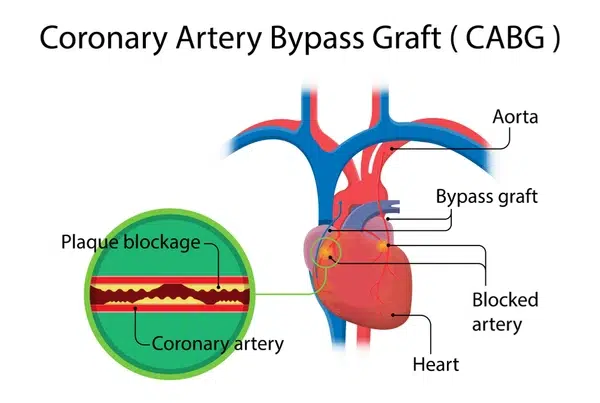
Triple vessel disease means all three of the major coronary arteries that supply the heart are significantly narrowed or blocked. Because so much of the heart's blood supply is affected, bypass surgery (CABG) often gives better long term results than stents, especially in patients with diabetes. The decision is made after coronary angiography, and treatment in India is available to international patients at a fraction of Western costs.
When a cardiologist says a patient has triple vessel disease, it usually marks a turning point in their heart care, because it often means surgery is the best path forward. Triple vessel disease is a serious but treatable form of coronary artery disease, and understanding it helps patients and families make confident decisions. This guide explains triple vessel disease, why it frequently needs bypass surgery, and what treatment in India involves for international patients.
What is triple vessel disease?
The heart muscle is supplied by three main coronary arteries and their branches. In triple vessel disease, all three of these major arteries are significantly narrowed by plaque, the fatty buildup of coronary artery disease. Because the blockages affect such a large share of the heart's blood supply, the risk to the heart muscle is high, and the condition usually needs decisive treatment rather than medication alone.
The three main coronary arteries
The three vessels involved are the left anterior descending artery, which supplies the front of the heart, the circumflex artery, which supplies the side, and the right coronary artery, which supplies the bottom and back. Together they keep the entire heart muscle nourished. When all three are diseased, large areas of the heart are at risk of running short of oxygen, which is why triple vessel disease is taken so seriously.
How is it different from single vessel disease?
In single vessel disease, only one artery is significantly narrowed, and this can often be treated with a stent during angioplasty. Triple vessel disease is more extensive. With three arteries affected, opening them one stent at a time is more complex and may not give the durable, complete result that the heart needs. This is the central reason bypass surgery is so often recommended for triple vessel disease.
Symptoms of triple vessel disease
The symptoms are those of advanced coronary artery disease and may include:
- Chest pain or pressure (angina), often with exertion
- Shortness of breath
- Marked fatigue and reduced exercise tolerance
- Palpitations or dizziness
- In some cases, a heart attack as the first obvious sign
Some patients, particularly those with diabetes, have surprisingly mild symptoms despite extensive disease, which makes proper testing essential.
How is triple vessel disease diagnosed?
The definitive test is coronary angiography, which shows each artery and the exact location and severity of every narrowing. Doctors assess the overall pattern and complexity of the disease, along with factors such as diabetes and heart pumping function, to recommend the best treatment. An ECG, echocardiogram and stress test are usually done as well. If you already have an angiography report, a specialist can review it and advise. VNR offers a free cardiac report review with an indicative cost estimate.
Why bypass surgery is often the best option
For triple vessel disease, large international studies have shown that coronary artery bypass grafting (CABG) often provides better long term survival and fewer repeat procedures than stenting, particularly for people with diabetes or reduced heart function. Bypass surgery does not just treat the narrowed spots, it routes blood around the diseased segments using healthy vessels from elsewhere in the body, giving the heart a more complete and durable new blood supply. For a fuller comparison of the two approaches, see our guide on CABG versus angioplasty.
When might angioplasty still be considered?
Bypass is not automatic for every patient. In some cases, where the anatomy is favourable or surgery carries higher risk for a particular individual, angioplasty and stenting may be chosen, sometimes treating the most important blockages. The decision is individual and is made by the heart team after weighing the angiography findings, your other health conditions and your own preferences.
What does bypass surgery involve?
During CABG, the surgeon takes a healthy blood vessel, often from the chest wall, arm or leg, and uses it to create a new route for blood to flow around each blocked section of artery. Several bypasses are usually created in one operation. Modern techniques, including beating heart and minimally invasive approaches in suitable cases, have made the surgery safer and recovery smoother. The operation is one of the most commonly performed and well understood heart surgeries in the world.
Recovery after bypass surgery
After CABG, patients typically spend a day or two in intensive care followed by several days on a ward, then continue recovering at a slower pace over several weeks. Most people feel substantially better once their heart is properly supplied with blood again. Cardiac rehabilitation, where available, helps rebuild strength safely. International patients usually plan to stay in India for around three to four weeks in total to cover the surgery and early recovery before they are declared fit to fly home.
How VNR Medical Service helps
VNR Medical Service connects international patients who have triple vessel disease with experienced bypass surgery care at the NABH accredited DDMM Heart Institute in India. We coordinate a free report review, an indicative cost estimate, medical visa support, travel, treatment and a safe return home. To begin, send your angiography report or contact our coordination team.
How serious is triple vessel disease?
Triple vessel disease is among the more advanced forms of coronary artery disease, and it carries a real risk of heart attack and heart failure if it is left untreated. That said, the word serious should be read alongside the word treatable. With a clear diagnosis from angiography and the right procedure, usually bypass surgery, most patients do very well and return to active lives. The danger lies in delay and in ignoring symptoms, not in the condition itself once it is properly managed. This is why a prompt, expert assessment matters so much when three vessel disease is found.
The cost of bypass surgery in India
For international patients, one of the strongest reasons to consider India is the combination of experienced surgical teams and affordability. Indicative 2026 prices for bypass surgery in India are typically a fraction of those charged in the United States, the United Kingdom or the Gulf, with little or no waiting list. The exact figure depends on the number of grafts, the technique used, the length of hospital stay and your overall health. You can see indicative ranges on our heart surgery cost in India page and a country comparison in our blog on how much bypass surgery costs in India. Final cost always depends on the specialist's review of your reports.
Related pages
Common Questions
FAQs
Because all three major coronary arteries are significantly blocked, a large part of the heart's blood supply is at risk. Studies show bypass surgery often gives better long term survival and fewer repeat procedures than stents for this pattern, especially in people with diabetes.
Sometimes. In selected patients with favourable anatomy, or where surgery carries higher individual risk, angioplasty with stents may be chosen. The heart team decides based on your angiography, diabetes status, heart function and preferences.
Coronary artery bypass grafting is one of the most commonly performed and well established heart surgeries worldwide, with high success rates in experienced centres. Modern techniques have made it safer with smoother recovery.
International patients usually plan for around three to four weeks in total, covering the surgery, hospital stay and early supervised recovery before being declared fit to fly. VNR coordinates accommodation and follow up throughout.
Send us your cardiac reports. We reply within 48 hours.
Free clinical review by the DDMM cardiac team. No obligation. Our international patient coordinators reply 7 days a week.