Coronary Artery Disease Explained: Causes, Symptoms and Treatment Options
By VNR Medical Service Editorial Team · Reviewed in line with our Medical Review Policy · June 14, 2026
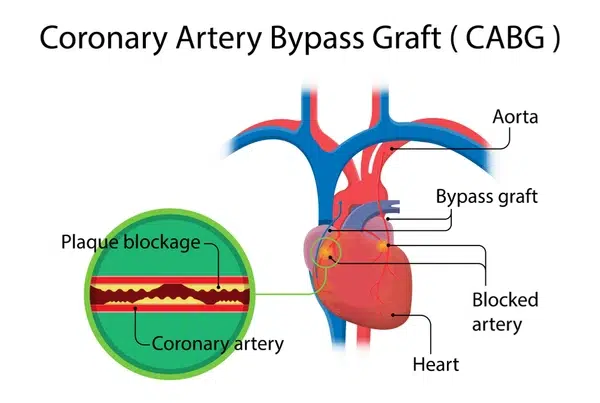
Coronary artery disease (CAD) is the narrowing or blockage of the coronary arteries that supply blood to the heart muscle, caused by a buildup of plaque called atherosclerosis. It can cause chest pain, breathlessness and heart attacks. CAD is diagnosed with tests such as ECG, stress testing and coronary angiography, and treated with lifestyle changes, medication, angioplasty or bypass surgery depending on severity.
Coronary artery disease is the most common type of heart disease and the leading cause of death worldwide, yet it is also one of the most preventable and treatable. Understanding what it is, how it develops, and what can be done about it puts you in a stronger position to protect your heart or to make confident decisions about treatment. This guide explains coronary artery disease in clear language for patients and families.
What is coronary artery disease?
The heart is a muscle, and like any muscle it needs a constant supply of oxygen rich blood. That supply comes from the coronary arteries that wrap around the heart. In coronary artery disease, these arteries become narrowed by plaque, reducing blood flow. When the heart muscle is starved of oxygen, especially during exertion, it produces symptoms, and if an artery becomes completely blocked, a heart attack follows.
How does coronary artery disease develop?
CAD develops through atherosclerosis, a slow process in which cholesterol, fat, calcium and other substances build up inside the artery walls over many years. The buildup, called plaque, narrows the artery and makes its lining stiff. Sometimes a plaque ruptures, triggering a blood clot that can suddenly block the artery completely. This is the usual mechanism of a heart attack. Because the process is gradual, many people have no idea their arteries are narrowing until symptoms appear.
Symptoms of coronary artery disease
- Chest pain or pressure, known as angina, often on exertion
- Shortness of breath
- Unusual fatigue
- Palpitations or irregular heartbeat
- Pain spreading to the arm, jaw, neck or back
- In a heart attack, severe chest pain with sweating, nausea and breathlessness
Some people, particularly those with diabetes, have few or no symptoms, which is why screening matters for those at risk.
What raises your risk?
Risk factors fall into two groups. Some you can change, and some you cannot.
Risk factors you can change
- High blood pressure
- High cholesterol
- Diabetes and high blood sugar
- Smoking and tobacco use
- Obesity and physical inactivity
- An unhealthy diet and excessive alcohol
- Chronic stress
Risk factors you cannot change
- Increasing age
- Being male, although risk in women rises after menopause
- A family history of early heart disease
- Ethnic background, with South Asian populations at higher and earlier risk
The American Heart Association highlights that managing the changeable risk factors is one of the most effective ways to prevent and slow CAD.
Complications of untreated CAD
If CAD is not managed, it can lead to a heart attack, in which part of the heart muscle dies, to heart failure, in which the weakened heart cannot pump effectively, and to dangerous heart rhythm problems. These complications are serious but often preventable with timely treatment.
How is coronary artery disease diagnosed?
- ECG to record the heart's electrical activity
- Echocardiogram to assess the heart muscle and pumping function
- Treadmill or stress test to see how the heart behaves under exertion
- Coronary angiography, the gold standard that maps the exact blockages
- Blood tests for cholesterol, blood sugar and cardiac markers
If you already hold these reports, a specialist can review them remotely. VNR offers a free cardiac report review with an indicative cost estimate before you make any travel decision.
How is coronary artery disease treated?
Lifestyle changes
Stopping smoking, eating a heart healthy diet, staying active, maintaining a healthy weight and managing stress can slow or even partially reverse the progression of disease and are the foundation of every treatment plan.
Medication
Medicines lower cholesterol, control blood pressure, reduce the risk of clots and ease the heart's workload. They are often used alongside procedures.
Angioplasty and stenting
For significant blockages, angioplasty and stenting reopens the narrowed artery using a balloon and stent through a small puncture, with a quick recovery.
Bypass surgery
When several arteries are blocked or the disease is complex, coronary artery bypass grafting creates new routes for blood around the blockages and often gives the most durable result. To understand which approach suits which patient, see our guide on CABG versus angioplasty.
Why early treatment matters
Treated early, coronary artery disease can be controlled and serious events prevented. Delayed, it risks a heart attack or heart failure. Many international patients face long waiting lists or high private costs at home, which leads to dangerous delays. Planned treatment in India offers a faster, affordable alternative without compromising on quality.
How VNR Medical Service helps
VNR Medical Service connects international patients with expert, affordable treatment for coronary artery disease at the NABH accredited DDMM Heart Institute in India. We handle your free report review, an indicative cost estimate, medical visa guidance, travel, treatment and a safe, fit to fly return. Learn more about why patients choose India, or contact our team to begin.
Coronary artery disease in South Asian and international patients
Coronary artery disease does not affect every population equally. People of South Asian origin, including patients from India, Bangladesh, Pakistan and Sri Lanka, tend to develop the disease earlier and more aggressively than many other groups, often at a lower body weight. Higher rates of diabetes and certain inherited cholesterol patterns contribute to this. For patients from these regions, and for the wider international community VNR serves, this means symptoms should be taken seriously even at a younger age, and screening is worthwhile for anyone with a family history or other risk factors. Early detection allows treatment before a blockage becomes an emergency.
Living with coronary artery disease after treatment
A procedure such as angioplasty or bypass surgery restores blood flow, but it does not cure the underlying tendency to form plaque. Long term health depends on continuing medication as prescribed, attending follow up appointments, and maintaining heart healthy habits. Most people return to a full and active life after treatment, including work, travel and exercise, once their cardiologist confirms they are ready. The goal of treatment is not only to relieve symptoms but to give you many more years of good quality life, and staying engaged with your care is the key to protecting that investment in your heart.
Preventing coronary artery disease
Prevention is one of the most powerful tools against coronary artery disease, and it is never too early or too late to start. Stopping smoking has an immediate and lasting benefit for the arteries. A balanced diet that is low in saturated fat, salt and refined sugar, and rich in vegetables, fruit, whole grains, fish and healthy oils, helps keep cholesterol and blood pressure in a healthy range. Regular physical activity, even brisk walking most days, strengthens the heart and improves circulation. Keeping diabetes, blood pressure and weight under control, limiting alcohol and finding healthy ways to manage stress all reduce the rate at which plaque builds up. Regular check ups allow problems to be caught early, when they are easiest to treat.
Related pages
Common Questions
FAQs
CAD is caused by atherosclerosis, a gradual buildup of plaque made of cholesterol, fat and calcium inside the coronary arteries. Over time this narrows the arteries and reduces blood flow to the heart muscle.
While established plaque cannot usually be fully removed, aggressive lifestyle changes and medication can slow, halt and in some cases partially reverse the progression of disease, and procedures can restore blood flow through blocked arteries.
Common tests include an ECG, echocardiogram, treadmill stress test and blood tests, with coronary angiography being the definitive test that shows the exact location and severity of blockages.
Yes. VNR Medical Service coordinates angioplasty and bypass surgery for international patients at the NABH accredited DDMM Heart Institute, often at a fraction of Western prices. Start with a free review of your reports for an indicative estimate.
Send us your cardiac reports. We reply within 48 hours.
Free clinical review by the DDMM cardiac team. No obligation. Our international patient coordinators reply 7 days a week.