Chest Pain or Angina? Warning Signs Your Heart Needs Attention
By VNR Medical Service Editorial Team · Reviewed in line with our Medical Review Policy · June 10, 2026
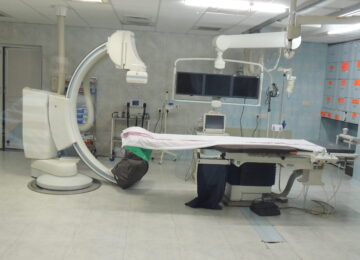
Angina is chest pain or pressure caused by reduced blood flow to the heart muscle, usually because of narrowed coronary arteries. It often feels like tightness, heaviness or squeezing in the centre of the chest, may spread to the arm, neck or jaw, and is frequently triggered by exertion or stress. New, worsening, or rest related chest pain should be treated as a medical emergency.
Chest pain is one of the most common reasons people worry about their heart, and for good reason. While not every ache in the chest is dangerous, certain types of chest discomfort, known medically as angina, can be an early warning that the heart is not getting enough blood. Recognising the difference early can be life saving. This guide explains what angina feels like, what causes it, the warning signs that need urgent attention, how it is diagnosed, and the treatment options available to international patients considering heart care in India.
What is angina?
Angina is not a disease in itself. It is a symptom of an underlying problem, most commonly coronary artery disease (CAD). When the arteries that supply the heart become narrowed by fatty deposits called plaque, the heart muscle can run short of oxygen rich blood, especially when it has to work harder. That oxygen shortage produces the discomfort we call angina.
The American Heart Association describes angina as a feeling of pressure, squeezing, fullness or pain in the chest. Some people mistake it for indigestion. Others feel it not in the chest at all but in the shoulders, arms, neck, jaw or back. Because the symptom is so varied, it is often underestimated until the disease behind it has advanced.
Stable angina
Stable angina follows a predictable pattern. It tends to appear during physical effort, emotional stress, cold weather or after a heavy meal, and it eases within a few minutes of rest or medication. People often learn the level of activity that brings it on. While stable angina is more manageable, it is still a clear sign that the coronary arteries are narrowed and need assessment, because the pattern can change at any time.
Unstable angina
Unstable angina is more dangerous. It can occur at rest, last longer, feel more severe, or appear without an obvious trigger, and may break through medication that previously worked. It can signal that a plaque has become unstable and that a heart attack could be imminent. It is a medical emergency.
Microvascular angina
Some patients, particularly women, experience angina even when the large coronary arteries look relatively clear. This can be due to disease of the very small vessels of the heart. It is real, it is treatable, and it deserves the same careful evaluation as classic angina.
What does cardiac chest pain feel like?
People describe heart related chest pain in many ways. Common descriptions include:
- Tightness, pressure or a heavy weight on the chest
- Squeezing or a band like sensation across the chest
- Burning that can be mistaken for heartburn
- Discomfort that spreads to the left arm, both arms, the neck, jaw, back or stomach
- Pain that comes with breathlessness, sweating, nausea or light headedness
Pain that is sharp and very brief, that changes clearly with breathing, or that you can reproduce by pressing on the chest wall is less likely to be cardiac, but only a doctor can confirm this. When in doubt, get it checked.
How angina differs from other causes of chest pain
Chest pain has many non cardiac causes, and telling them apart at home is difficult. Acid reflux can burn behind the breastbone and is often linked to meals and lying down. Muscle or rib strain usually hurts more when you move or press the area. Anxiety and panic can cause chest tightness, a racing heart and breathlessness. Lung problems may cause pain that worsens with deep breaths. The safest rule is simple: cardiac chest pain can mimic all of these, so new or unexplained chest discomfort, especially with exertion, deserves a proper assessment rather than guesswork.
Warning signs that need emergency care
Call your local emergency number immediately if chest discomfort comes with any of the following, because these can indicate a heart attack:
- Chest pain or pressure lasting more than a few minutes, or that goes away and comes back
- Pain spreading to the arm, jaw, neck or back
- Sudden shortness of breath
- Cold sweat, nausea or vomiting
- Sudden dizziness or fainting
During a heart attack, every minute matters. Rapid treatment such as primary angioplasty (primary PCI) can restore blood flow and save heart muscle. The phrase doctors use is that time is muscle.
What causes angina?
The most common cause is a buildup of plaque in the coronary arteries, a process called atherosclerosis. Over years, cholesterol, fat and other substances collect in the artery walls and narrow the channel through which blood flows. Major risk factors include:
- High blood pressure
- High cholesterol
- Diabetes
- Smoking and tobacco use
- Obesity and a sedentary lifestyle
- A family history of early heart disease
- Increasing age
According to the World Health Organization, cardiovascular diseases are the leading cause of death worldwide, taking an estimated 17.9 million lives each year. Many of these risk factors can be reduced through lifestyle changes and medical care, which is why early evaluation matters so much.
How is angina diagnosed?
A cardiologist starts with your history and a physical examination, then uses tests to see how the heart and its arteries are working. Common investigations include:
- Electrocardiogram (ECG) to record the heart's electrical activity
- Echocardiogram (ECHO) to view the heart muscle and valves using ultrasound
- Treadmill or stress test (TMT) to see how the heart behaves under exertion
- Coronary angiography, the gold standard test that shows exactly where and how severely the arteries are narrowed
If you already have reports such as an ECG, ECHO or angiography, a specialist can often give an initial opinion before you travel. VNR offers a free medical report review for exactly this reason, so you do not have to make decisions in the dark.
Treatment options for angina and coronary artery disease
Treatment depends on how narrowed the arteries are and which vessels are involved. Options range from medication to procedures that restore blood flow.
Medication and lifestyle
Mild disease is often managed with medicines that widen the arteries, lower cholesterol, control blood pressure and reduce the workload on the heart, alongside lifestyle changes such as stopping smoking, healthier eating and regular activity. These steps remain important even after a procedure.
Angioplasty and stenting
For one or more significant blockages, angioplasty and stenting can open the narrowed artery using a balloon and a small mesh tube called a stent. It is minimally invasive, usually done through a small puncture in the wrist or groin, and recovery is generally quick.
Bypass surgery (CABG)
When several arteries are blocked, or when blockages are in difficult positions, coronary artery bypass grafting (CABG) may give the best long term result. Surgeons create new routes for blood to flow around the blocked sections. To understand the difference between these approaches, see our guide on CABG versus angioplasty.
Why early action matters
Angina is the heart asking for help. Ignoring it allows the underlying disease to progress, raising the risk of a heart attack, heart failure or sudden cardiac events. Early diagnosis and treatment not only relieve symptoms, they protect the heart muscle and improve long term outcomes. Many patients delay because of cost or long waiting lists at home. This is where planned treatment abroad can offer a faster, more affordable path to care.
What heart treatment in India costs
For international patients, one of the biggest attractions of India is affordability without compromising quality. Indicative 2026 prices for cardiac procedures in India are often a fraction of those in the United States, the United Kingdom or the Gulf. Exact figures depend on your diagnosis, the procedure required, the length of hospital stay and your overall health. You can see indicative ranges on our heart surgery cost in India page and a detailed country comparison in our blog on heart surgery cost: India versus the UK, USA and UAE. Final cost always depends on the specialist's review of your medical reports.
How VNR Medical Service helps international patients
If you or a loved one has been told you have angina or coronary artery disease, VNR Medical Service connects you with advanced, affordable cardiac care at the NABH accredited DDMM Heart Institute in Nadiad, Gujarat, India. The process is simple and supported at every step:
- Send your cardiac reports for a free, no obligation review
- Receive a treatment plan and an indicative cost estimate
- Get help with your medical visa, travel and accommodation
- Be guided from airport arrival through treatment and recovery to a safe, fit to fly return, as explained in our patient journey
To learn why so many patients choose India, read our overview of why patients choose India for heart treatment, or contact our patient coordination team directly. Acting early on angina is one of the most important decisions you can make for your heart.
Related pages
Common Questions
FAQs
No. Chest pain has many causes, including muscle strain, acid reflux and anxiety. However, because cardiac chest pain can be serious, any new, severe, or rest related chest discomfort, especially with breathlessness, sweating or pain spreading to the arm or jaw, should be assessed urgently by a doctor.
Angina is chest discomfort from reduced blood flow that usually eases with rest or medication and does not permanently damage the heart. A heart attack happens when blood flow is suddenly blocked and heart muscle begins to die, which is why it needs emergency treatment.
Yes, in many cases. Mild coronary artery disease can be managed with medication and lifestyle changes. Angioplasty or bypass surgery is recommended when blockages are significant. A cardiologist will advise based on your angiography and overall health.
Yes. VNR offers a free review of your existing cardiac reports, such as ECG, ECHO and angiography, so you receive an initial opinion and an indicative cost estimate before making any travel decision. Final treatment and cost depend on the specialist's assessment in India.
Send us your cardiac reports. We reply within 48 hours.
Free clinical review by the DDMM cardiac team. No obligation. Our international patient coordinators reply 7 days a week.