Aortic Stenosis: Understanding a Narrowed Heart Valve and Your Options
By VNR Medical Service Editorial Team · Reviewed in line with our Medical Review Policy · June 18, 2026
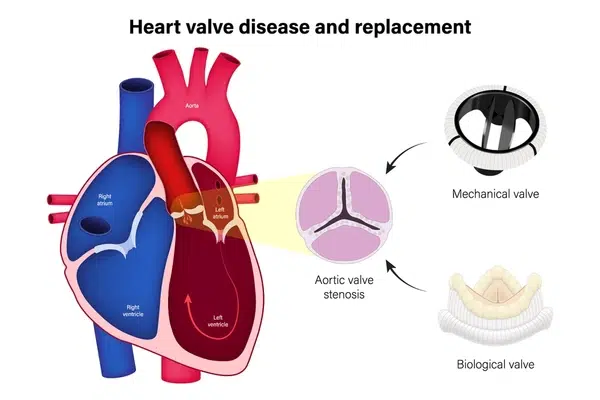
Aortic stenosis is a narrowing of the aortic valve, the main outflow valve of the heart, which forces the heart to work much harder to push blood to the body. It often causes no symptoms for years, but once breathlessness, chest pain or fainting appear, treatment becomes urgent. The valve is treated with surgical replacement or a catheter based procedure called TAVI, with excellent results.
Aortic stenosis is the most common serious heart valve problem in older adults, and its importance is often underestimated because it develops so quietly. Once symptoms appear, however, it needs prompt attention. This guide explains what aortic stenosis is, what causes it, the warning signs, and the treatment options, including modern valve replacement available to international patients in India.
What is aortic stenosis?
The aortic valve is the door between the heart's main pumping chamber, the left ventricle, and the aorta, the large artery that carries blood to the body. In aortic stenosis, this valve becomes stiff and narrowed, so it cannot open fully. The heart must generate much higher pressure to push blood through the smaller opening, and over time this extra workload thickens and strains the heart muscle. It is one of the most important forms of heart valve disease.
What causes aortic stenosis?
There are three main causes. The most common in older adults is calcific or age related degeneration, in which calcium gradually builds up on the valve and stiffens it over decades. The second is a congenital bicuspid valve, where a person is born with two valve leaflets instead of the usual three, which tends to wear out and narrow earlier in life. The third is rheumatic heart disease, a consequence of untreated childhood streptococcal infection, which remains an important cause across South Asia, Africa and the Middle East.
The stages of aortic stenosis
Doctors grade aortic stenosis as mild, moderate or severe, based on echocardiogram measurements of how narrow the valve has become and how much pressure the heart must generate to push blood through. Mild and moderate stenosis is monitored over time, while severe stenosis, particularly once it causes symptoms, is the point at which treatment is strongly recommended. The grading guides exactly when to act.
Symptoms of aortic stenosis
A hallmark of aortic stenosis is that it can be silent for years while the valve slowly narrows. When symptoms do appear, the three classic warning signs are:
- Breathlessness, especially on exertion
- Chest pain or tightness during activity
- Dizziness, light headedness or fainting, particularly with exertion
Other symptoms include fatigue, palpitations and reduced ability to exercise. The British Heart Foundation emphasises that the appearance of these symptoms in someone with severe aortic stenosis is a signal to seek treatment without delay.
Why symptomatic aortic stenosis is dangerous
Once severe aortic stenosis begins to cause symptoms, the outlook without treatment is poor, because the strained heart is at risk of failure and of sudden dangerous events. This is one of the few heart valve conditions where the timing of treatment is genuinely urgent once symptoms develop. The reassuring side of this is that treating the valve at the right time produces a dramatic improvement, often restoring energy and relieving symptoms quickly.
How is aortic stenosis diagnosed?
The key test is an echocardiogram, which measures the valve opening and the pressure difference across it to grade the severity precisely. A doctor may also use an ECG, a chest X ray and, before treatment, more detailed imaging or a cardiac catheter study. If you already have an echocardiogram, a specialist can review it and advise whether and when treatment is needed. VNR offers a free review of your cardiac reports with an indicative cost estimate.
Treatment options for aortic stenosis
Monitoring
Mild and moderate stenosis without symptoms is usually monitored with regular scans, sometimes for many years, with treatment of risk factors such as blood pressure and cholesterol.
Surgical aortic valve replacement
For severe stenosis, the narrowed valve is replaced. Open surgery to fit a mechanical or tissue valve is a well established and highly effective treatment. Our page on heart valve replacement and repair explains how the valve type is chosen.
TAVI, a catheter based valve replacement
For many patients, particularly older people or those at higher surgical risk, the valve can be replaced through a catheter without open heart surgery, a procedure known as TAVI or TAVR. A new valve is delivered through a blood vessel and positioned inside the old one. Suitability is decided by the heart team after careful assessment.
Recovery and outlook
The outlook after aortic valve replacement is generally excellent, with most patients experiencing a marked improvement in breathing and energy. Recovery after a catheter based procedure is usually quick, while open surgery involves a longer hospital stay and a few weeks of recovery. International patients typically plan a stay of a few weeks in India to cover treatment and early recovery before flying home.
How VNR Medical Service helps
VNR Medical Service helps international patients access expert aortic valve treatment at the NABH accredited DDMM Heart Institute in India. We coordinate your free report review, an indicative cost estimate, medical visa support, travel, treatment and a safe, fit to fly return. If you or a family member has been diagnosed with aortic stenosis, contact our coordination team to understand your options.
Aortic stenosis at a younger age
While calcific aortic stenosis is mainly a condition of older age, it is important to remember that younger adults can develop it too. People born with a bicuspid aortic valve often develop significant narrowing in their forties or fifties, earlier than the general population. Patients with a history of rheumatic fever in childhood, which remains common in many of the countries VNR serves, may also face valve problems sooner. For this reason, breathlessness, chest tightness or fainting on exertion should be investigated at any age, not dismissed as simply being unfit.
The cost of valve replacement in India
Aortic valve replacement in India is considerably more affordable than in Western countries while being performed by experienced cardiac teams in accredited hospitals. Indicative 2026 costs depend on whether open surgery or a catheter based TAVI procedure is used, the type of valve fitted, and the length of stay. Because the right approach varies so much from patient to patient, the most reliable way to understand your likely cost is to have your echocardiogram reviewed. VNR provides this review free of charge and gives you an indicative estimate before you make any decision to travel.
Living with aortic stenosis before and after treatment
If you have mild or moderate aortic stenosis that is being monitored, staying in touch with your cardiologist and keeping your scheduled scans is the most important thing you can do, because the right moment to treat the valve is identified through this follow up. Managing blood pressure, cholesterol and general heart health in the meantime supports the heart while the valve is watched. After valve replacement, most people enjoy a marked return of energy and can resume a full, active life once their team confirms they are ready. Long term follow up checks that the new valve is working well, and patients with a tissue valve are monitored over the years in case it eventually needs attention. With timely treatment and good follow up, the outlook for aortic stenosis is excellent.
Related pages
Common Questions
FAQs
The three classic warning signs are breathlessness on exertion, chest pain or tightness during activity, and dizziness or fainting, especially with exertion. Their appearance in someone with severe aortic stenosis is a signal to seek treatment promptly.
Aortic stenosis can be silent for years, but once severe stenosis causes symptoms, it becomes urgent because the strained heart is at risk. Treating the valve at the right time produces a dramatic improvement and relieves symptoms.
Surgical replacement fits a new valve through open heart surgery and suits many patients. TAVI replaces the valve through a catheter without open surgery and is often used for older patients or those at higher surgical risk. The heart team recommends the best option.
Yes. VNR Medical Service coordinates surgical and catheter based aortic valve replacement for international patients at the NABH accredited DDMM Heart Institute, at a fraction of Western costs. Start with a free review of your echocardiogram for an indicative estimate.
Send us your cardiac reports. We reply within 48 hours.
Free clinical review by the DDMM cardiac team. No obligation. Our international patient coordinators reply 7 days a week.